Product Navigation
‹
›
‹
›
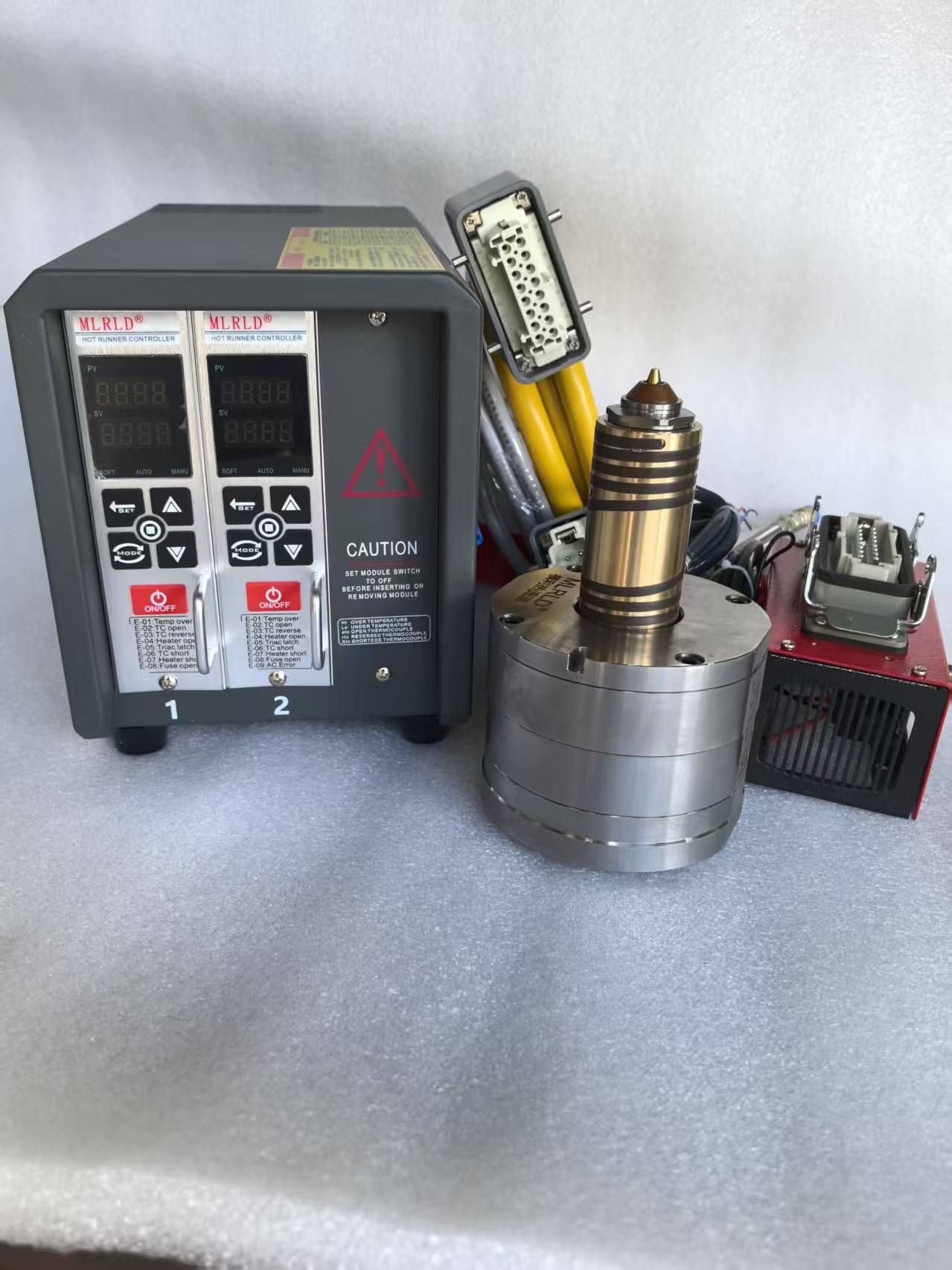
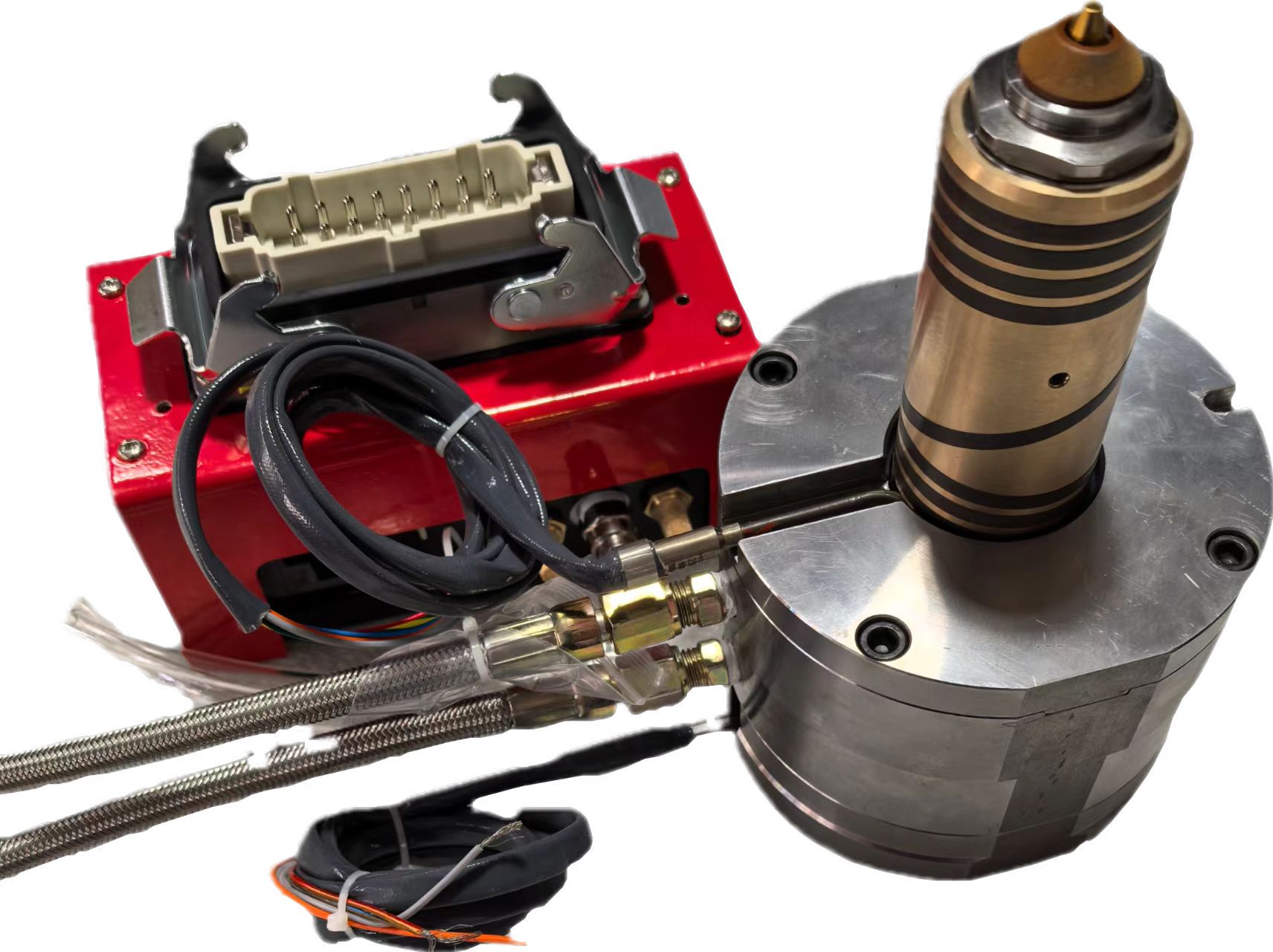
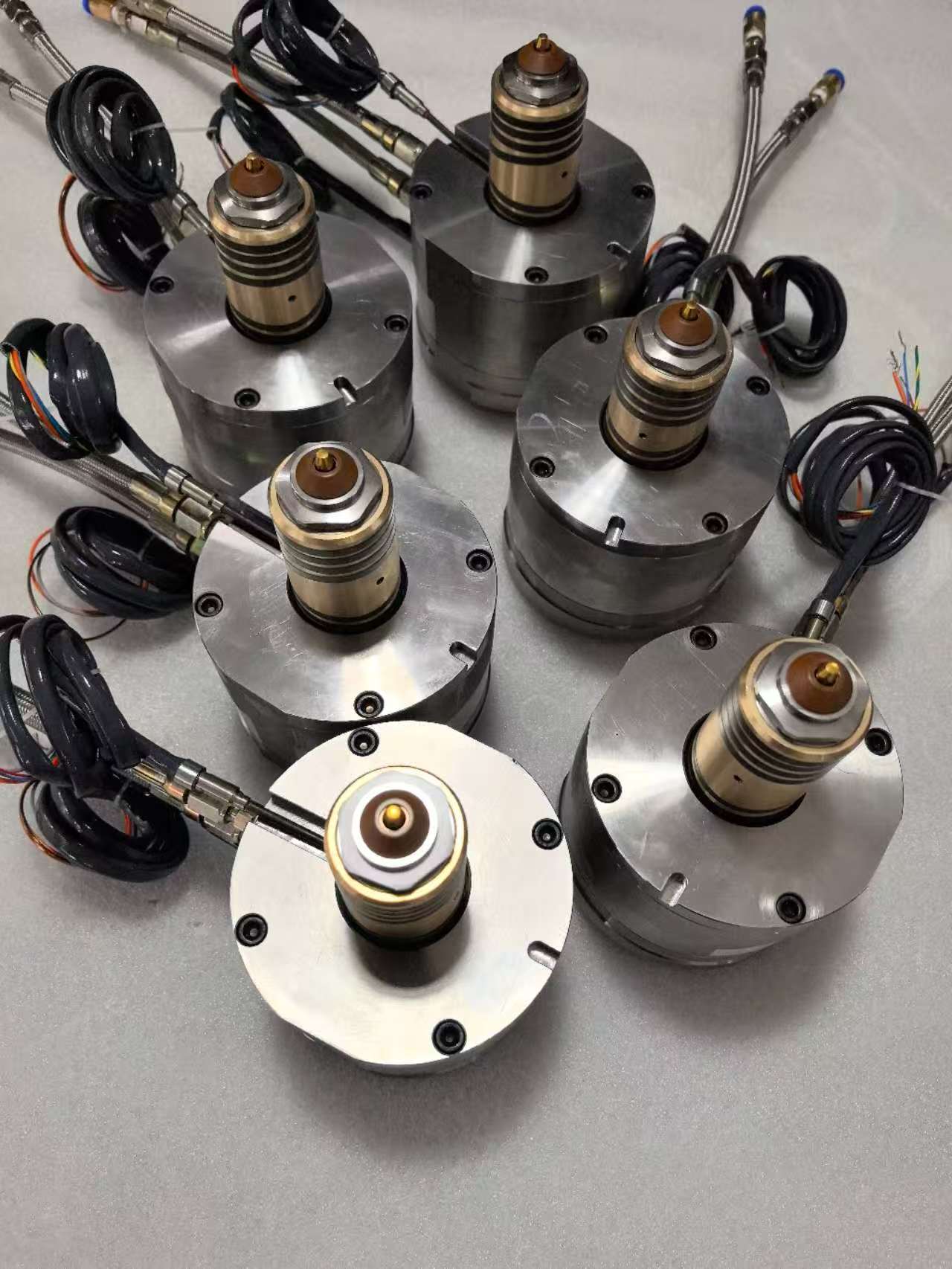
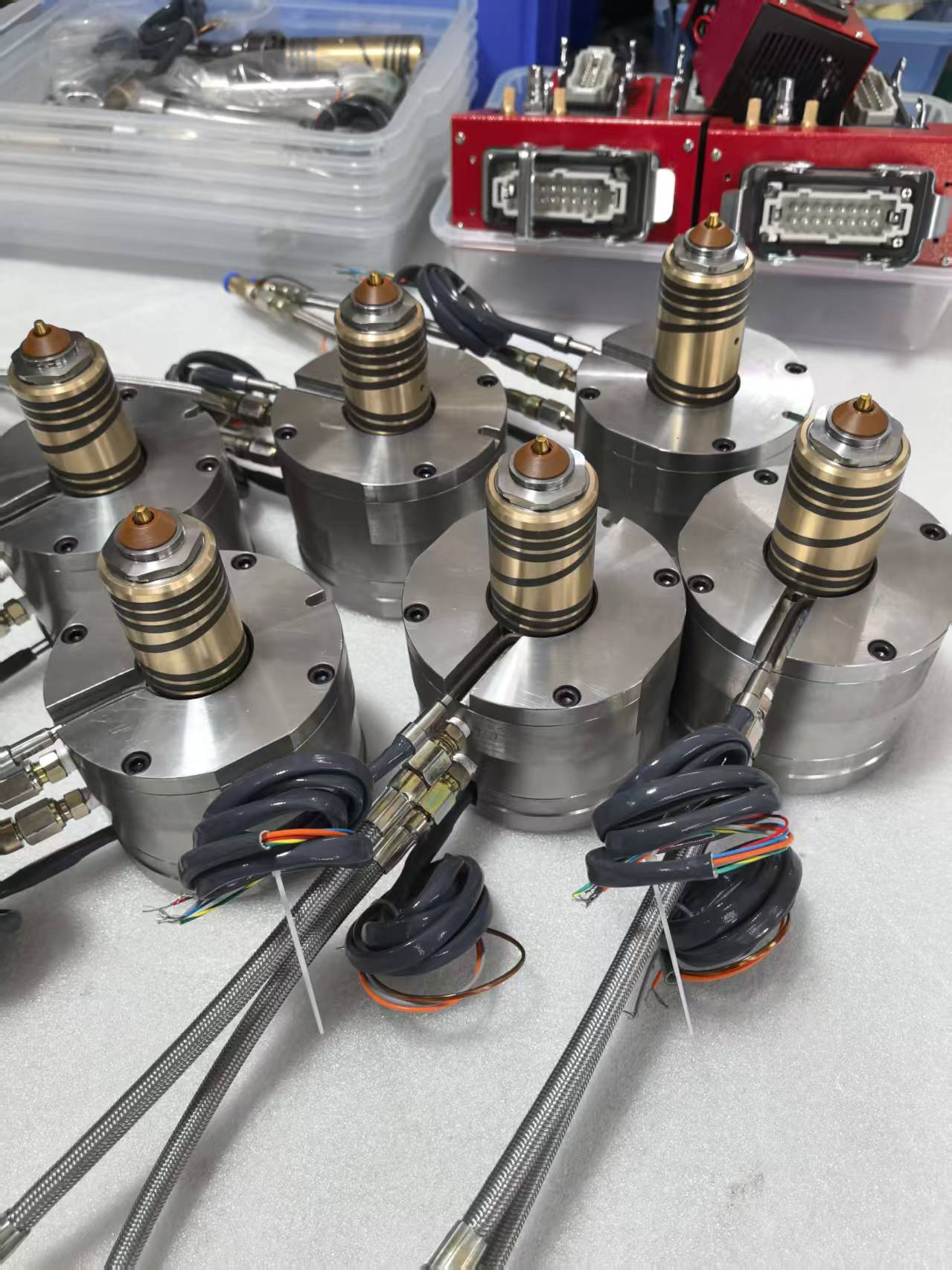
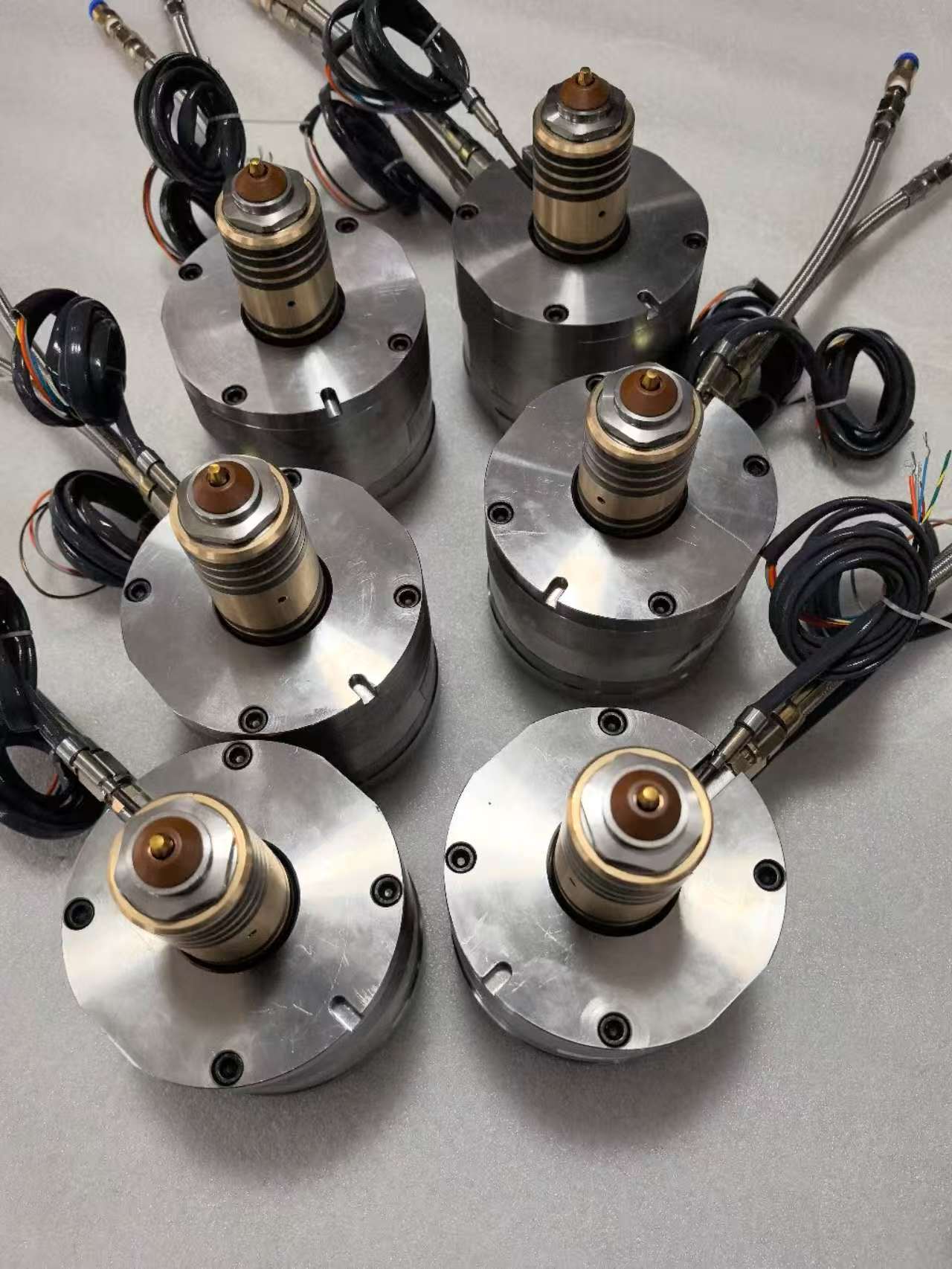
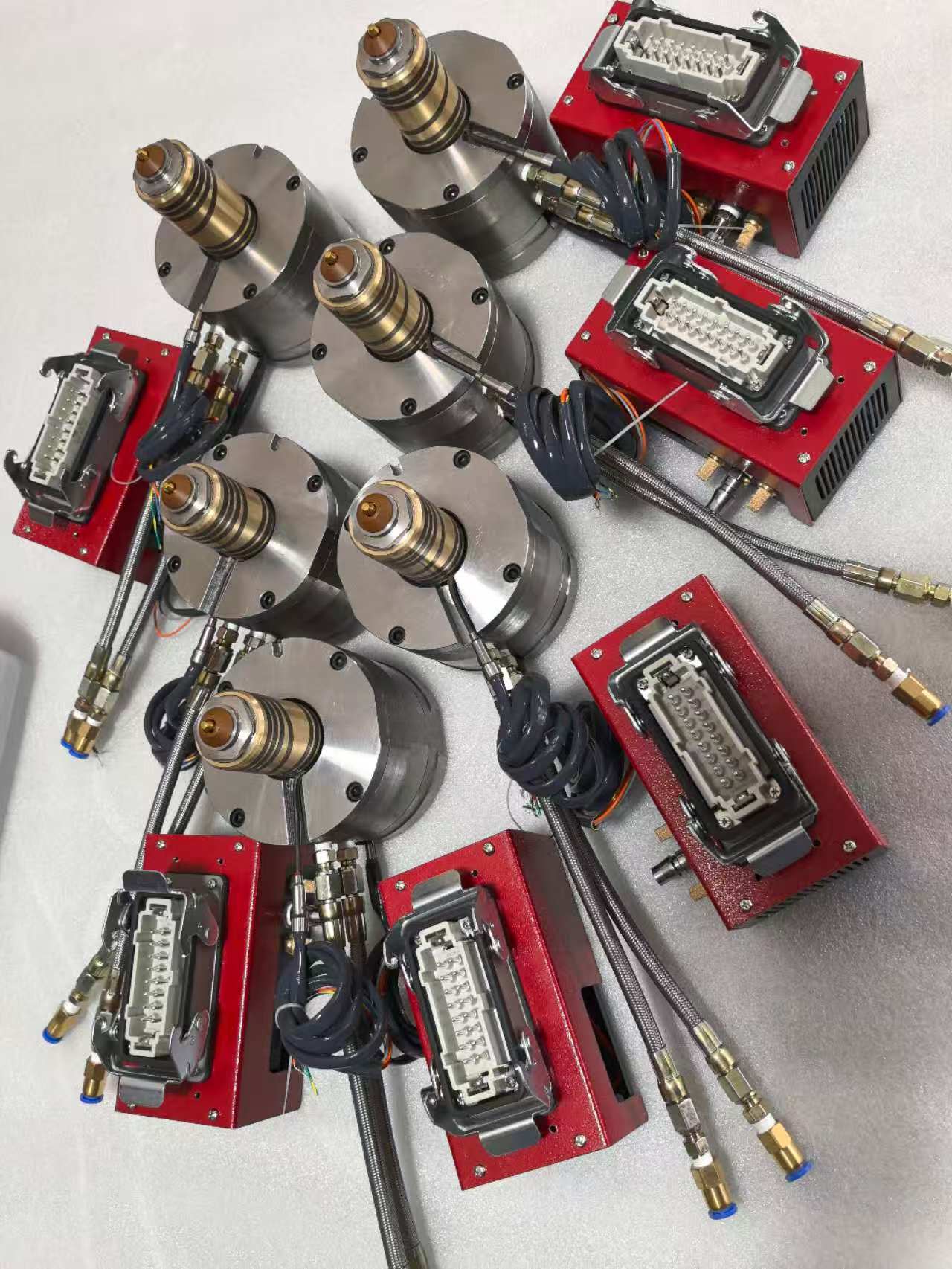
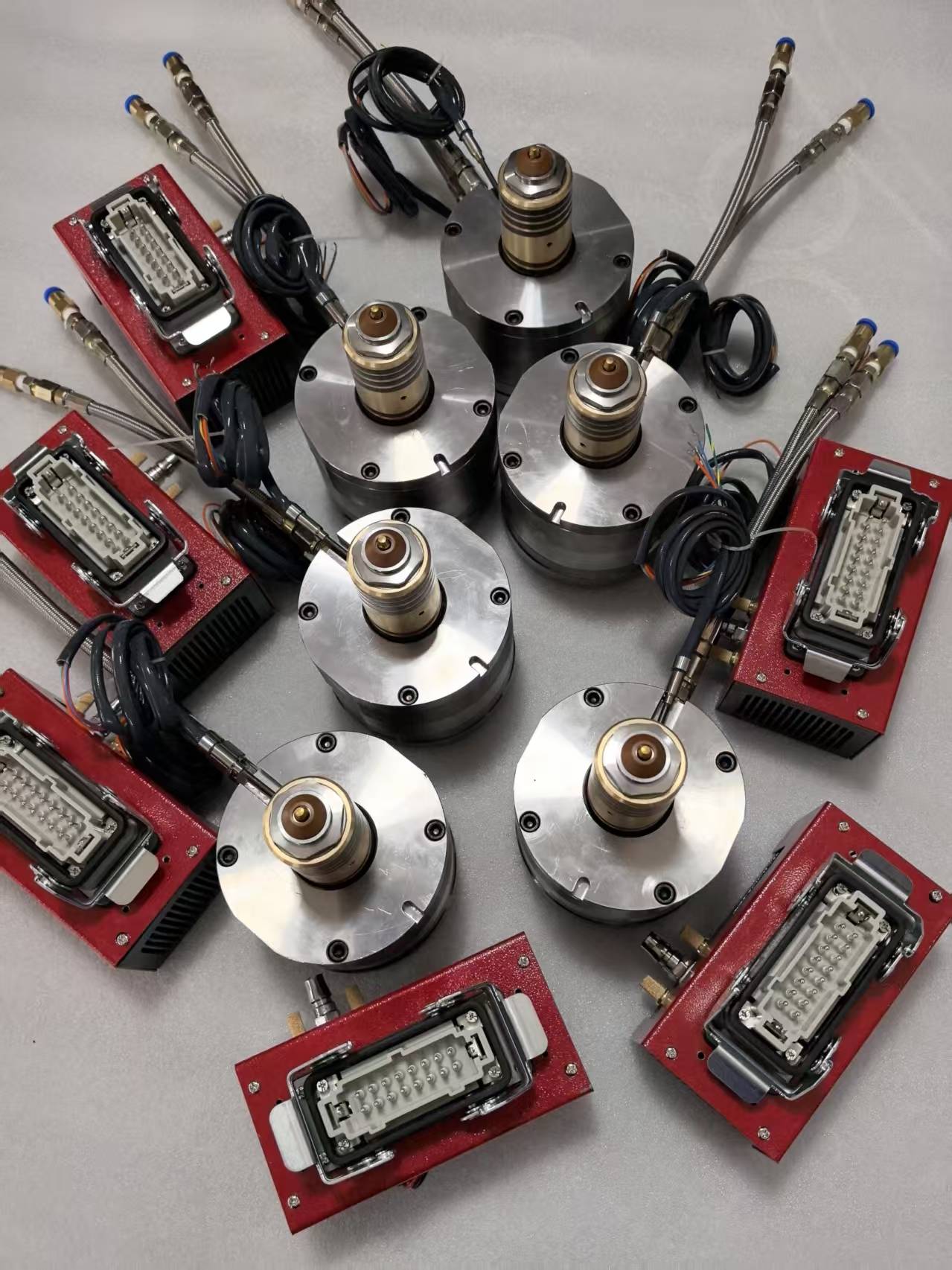
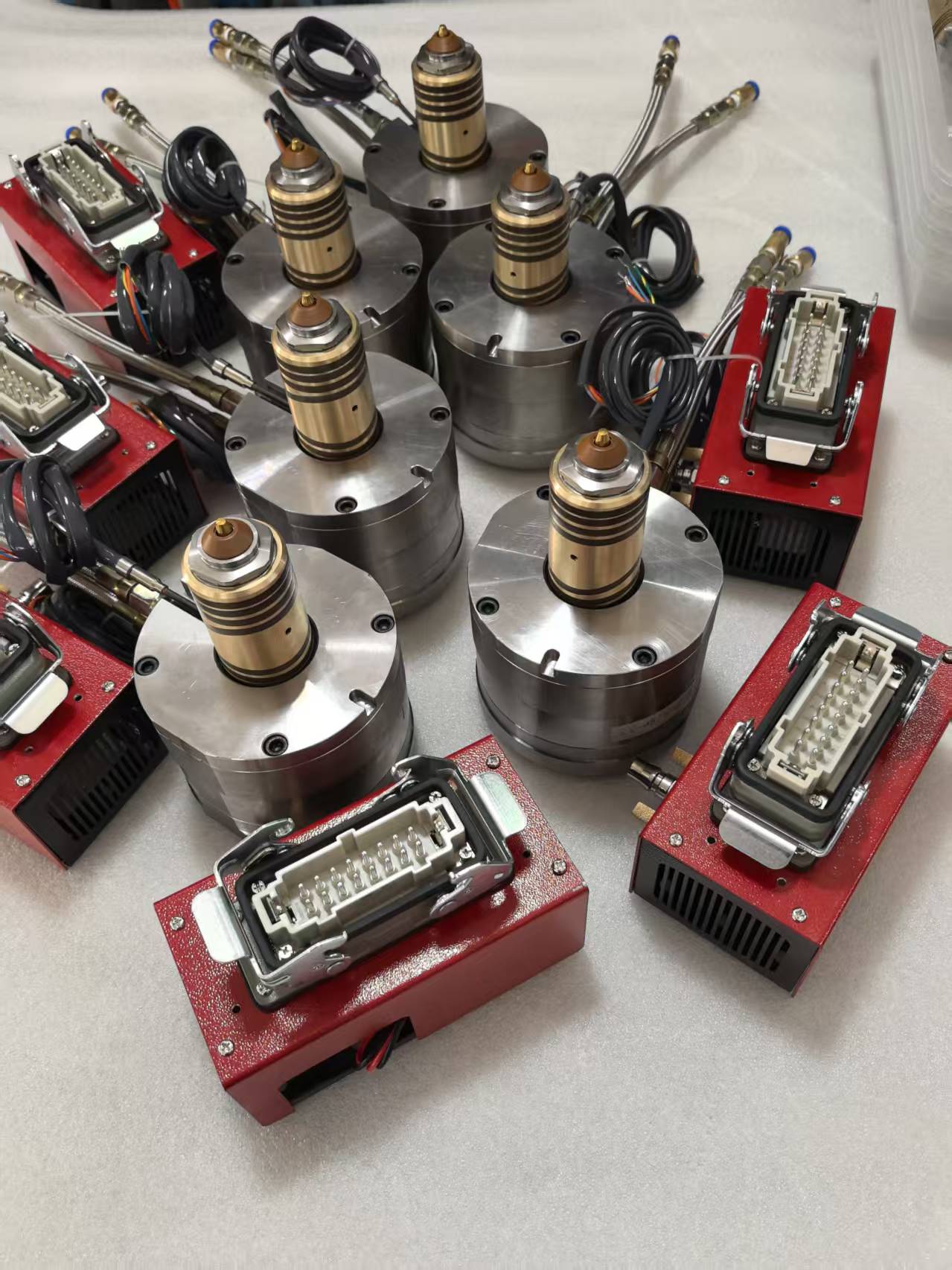
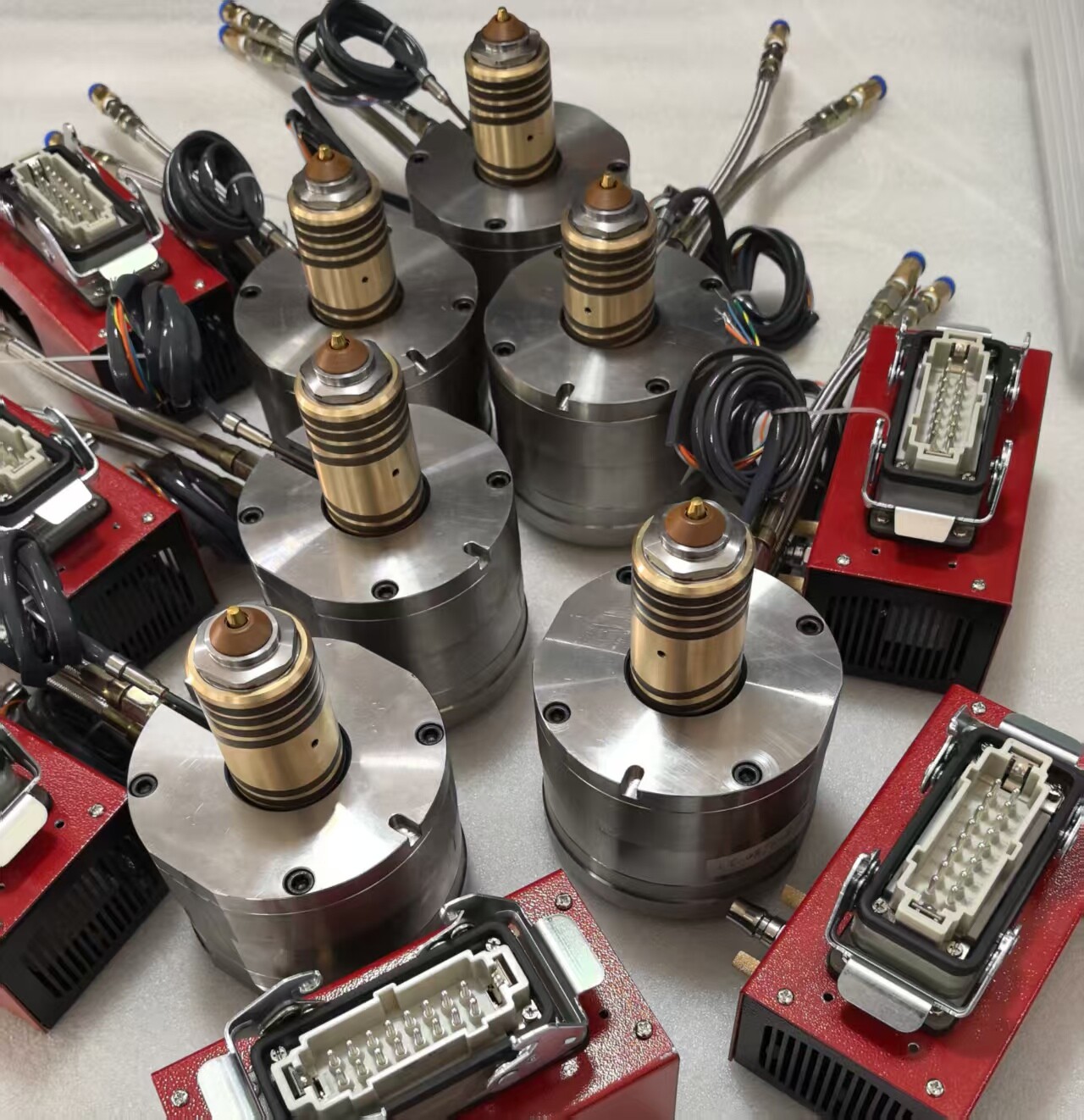
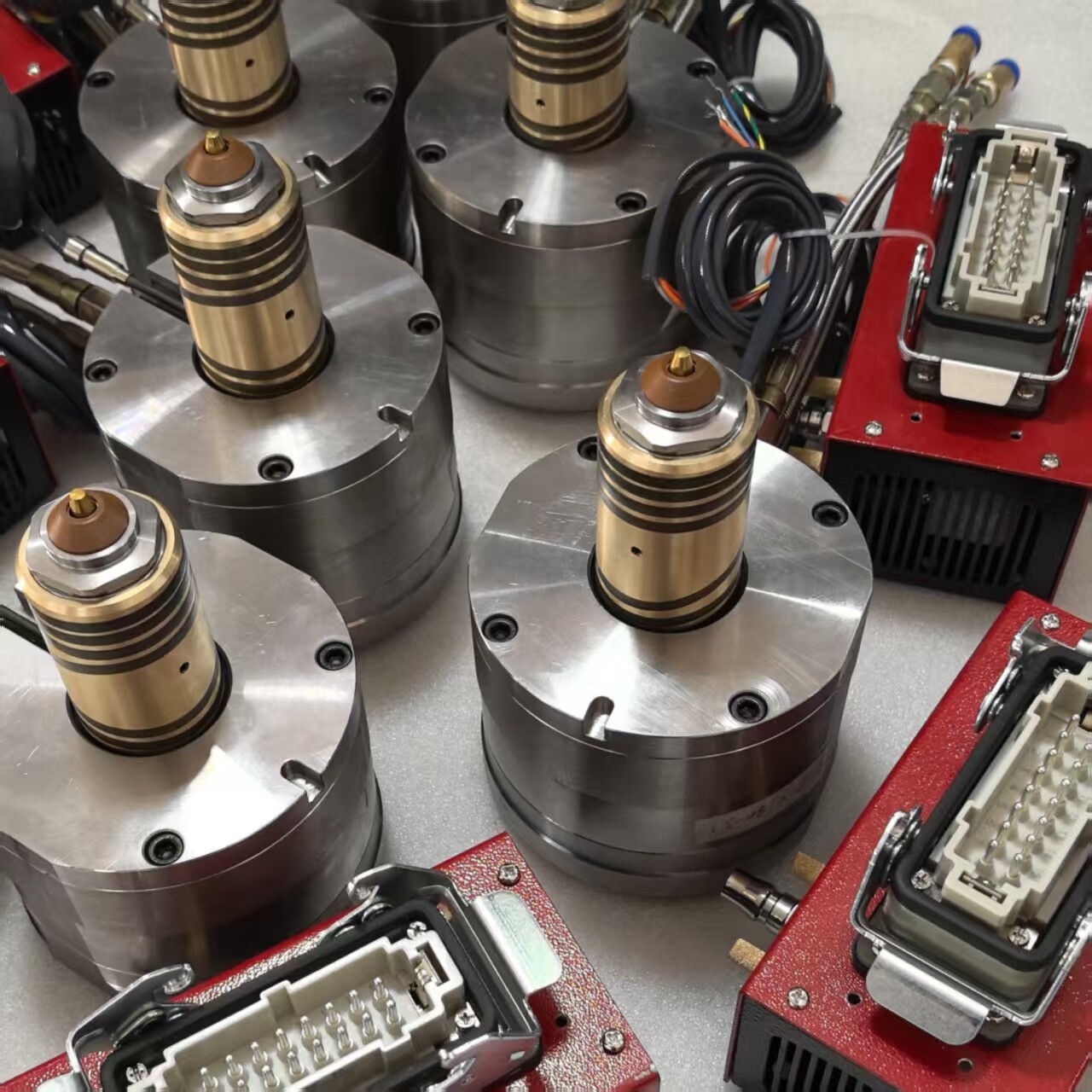
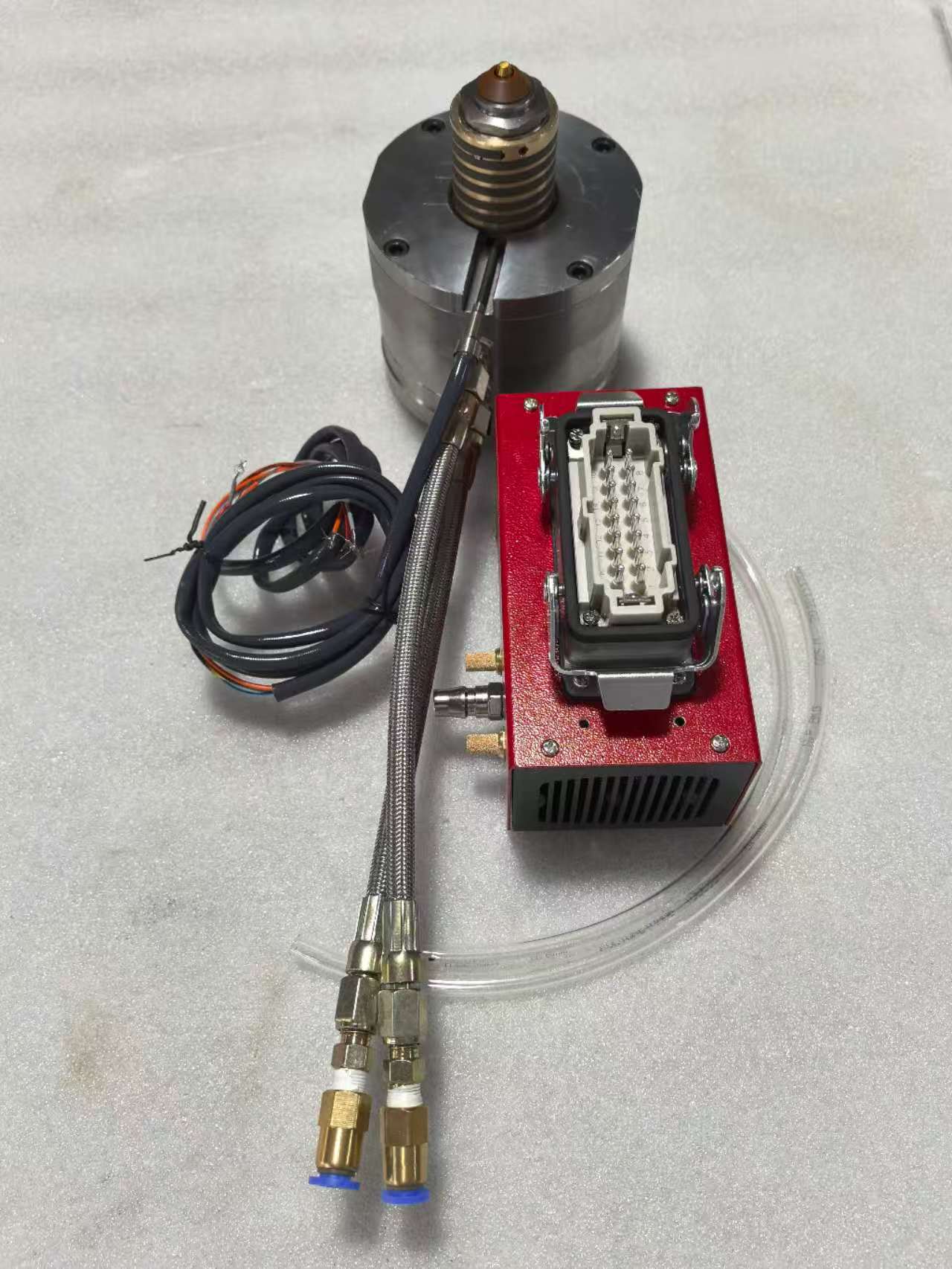
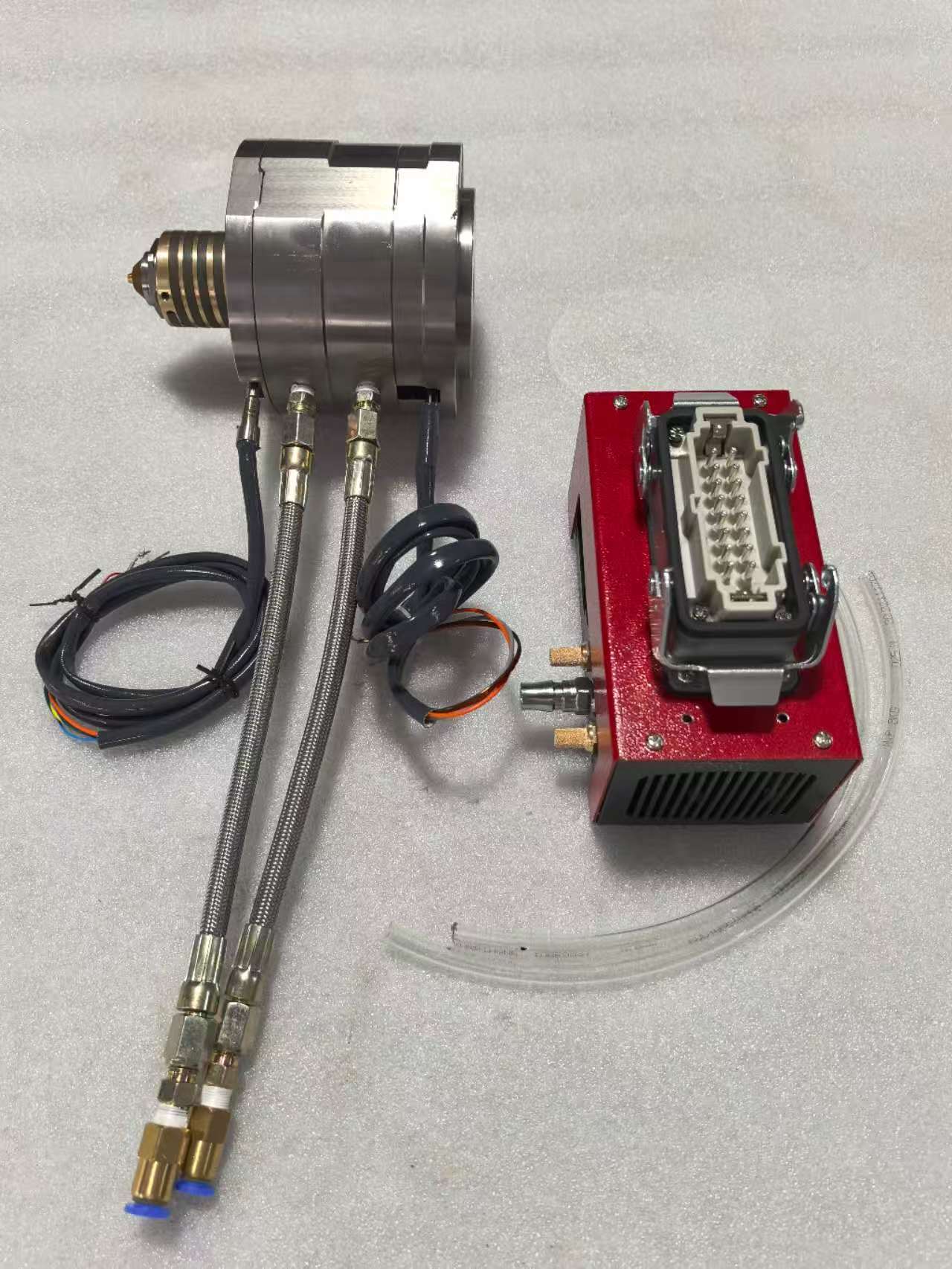
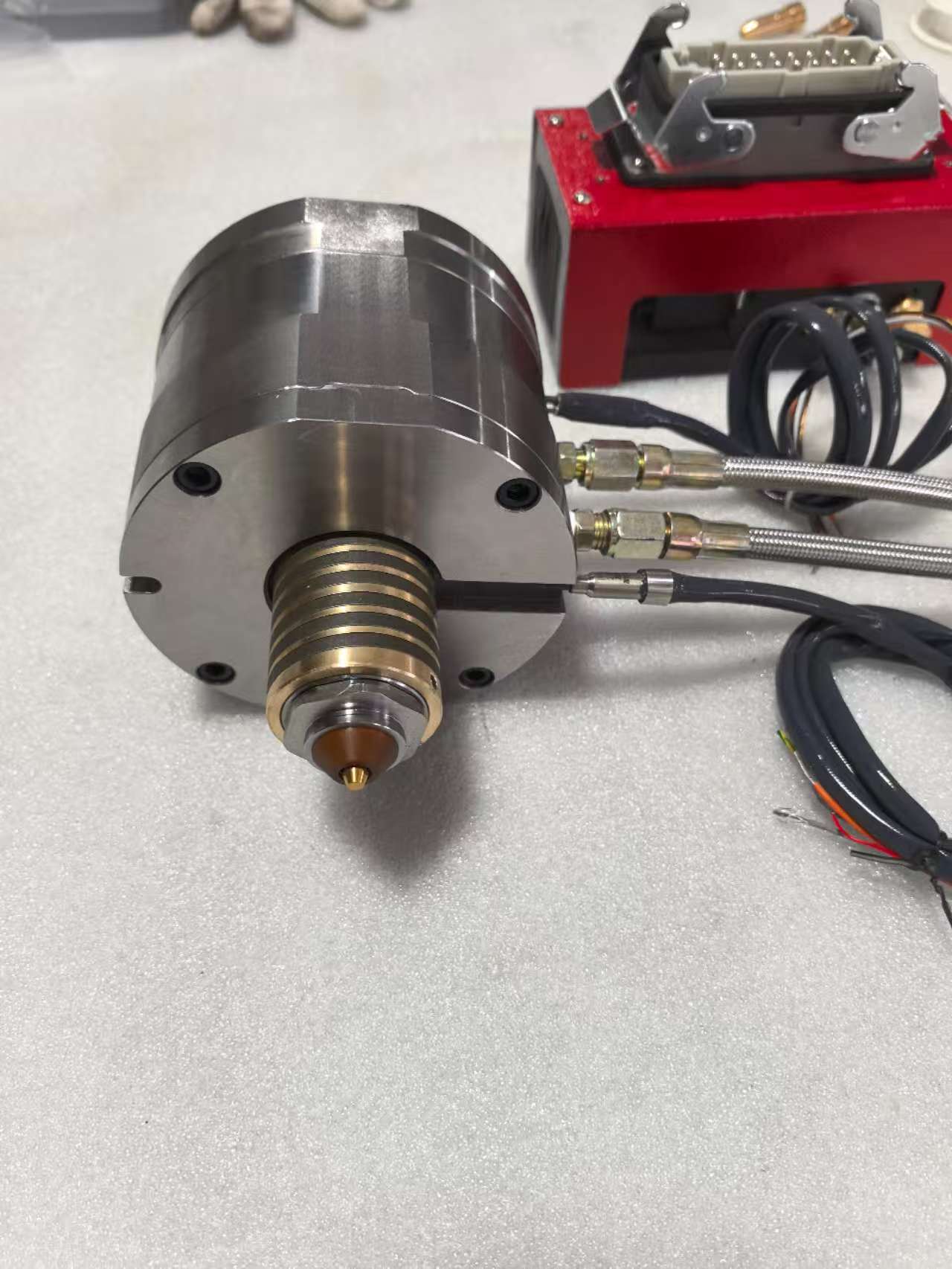
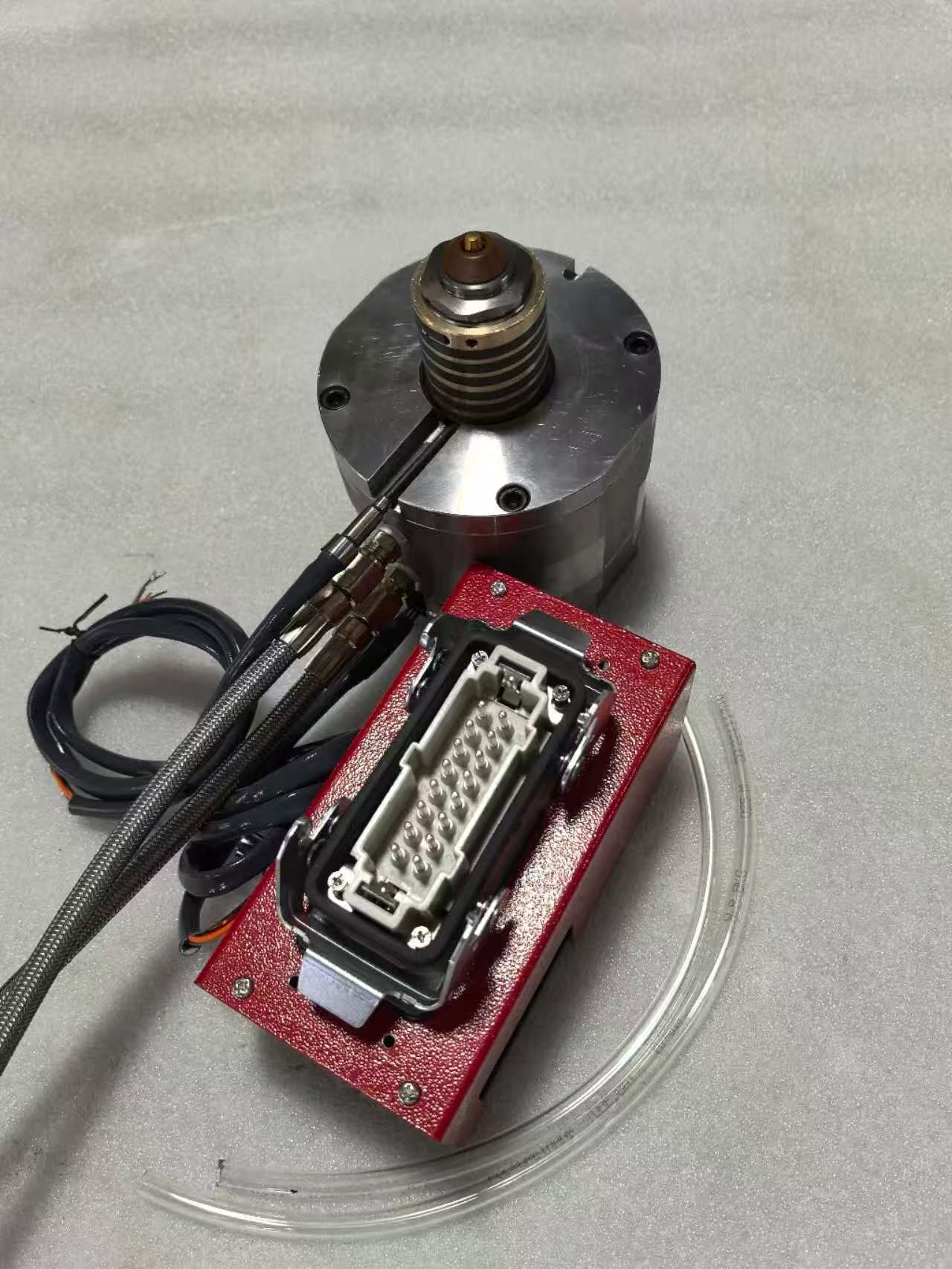
The single-chamber needle valve hot runner mainly consists of two parts: the heater and the needle valve. The heater is responsible for heating the plastic melt to the appropriate temperature, while the needle valve controls the flow rate of the melt. During the injection process, the needle valve can automatically adjust the flow rate of the melt according to the changes inside the mold, enabling the plastic products to achieve the ideal filling effect.
Product principle
The working principle of the single-cavity needle valve hot runner mainly relies on the heating element to heat up, the solenoid valve opens, and the cylinder pushes the needle valve to open, injecting the plastic melt into the mold cavity until it is fully filled, and the plastic product is completely formed. As the melt cools and shrinks to set, the pressure inside the mold decreases, the solenoid valve closes, and under the action of the cylinder's push, the needle valve automatically closes. Stop the injection of the melt. This process is repeated for one production cycle.
The working principle of the single-hole needle valve hot nozzle is as follows: When the injection machine injects plastic, it will give an injection signal. The air valve of the single-hole needle valve hot nozzle opens, and the cylinder will push the valve needle back. (Open the valve needle) Inject plastic when the injection molding cycle of the injection machine is completed. When the injection is stopped, a stop injection signal will be given. The hot nozzle cylinder will then push the valve needle forward to seal back the glue outlet, and the valve needle will seal the plastic.
Product features
1. Precise control: The single-chamber needle valve hot runner can achieve precise control over the plastic melt, ensuring the quality and dimensional accuracy of plastic products, and high-quality plastic products.
2. High efficiency and energy saving: Due to the optimized design of the needle valve structure, the energy consumption of the hot runner of the single-cell needle valve is relatively low, which is conducive to reducing production costs.
3. Wear-resistant and durable: Made of high-strength and wear-resistant materials, the single-chamber needle valve hot runner has a long service life.
4. Easy installation: The modular design makes the installation and maintenance of the single needle valve hot runner very convenient, reducing the difficulty for users.
5. Applicable to various plastics: The single needle valve hot runner is suitable for a variety of plastic materials, such as polyethylene (PE), polypropylene (PP), polystyrene (PS), PC, ABS, PA+GF, etc., and has a wide range of application prospects.